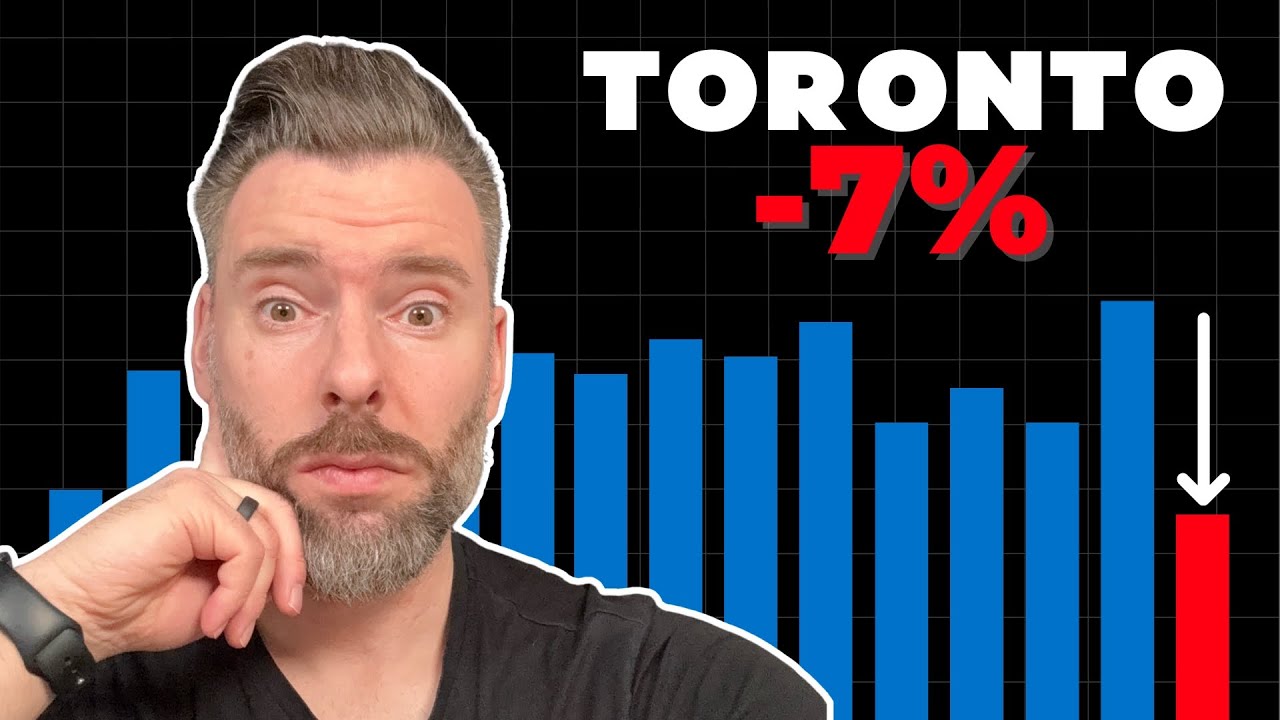
The Toronto real estate market continues to challenge assumptions. On the surface, the story sounds familiar: average prices are down compared to last year, headlines lean negative and buyers remain cautious. At the same time, October has delivered one of the strongest sales months of 2025, interest rates are roughly 2% lower than they were a year ago and affordability is better than anything we have seen in several years. It looks contradictory. It is not. Once you separate the Greater Toronto Area (GTA) from the City of Toronto and then look at each housing type individually, a clearer and more actionable picture emerges. GTA vs. City of Toronto: Why the Split Matters A single “Toronto market” narrative no longer works. Across the GTA, active listings remain high and in October we were near record levels for this time of year. Yet months of inventory have started to come down from over 5 to around 4.5. That shift matters: it signals that buyers are stepping in and absorbing supply, even if they are doing so more selectively. In the City of Toronto, the story is similar but more concentrated. Average prices are down roughly 8 to 9% year over year, listings are up modestly and sales have slipped. However, the pressure is not uniform. Well-presented, move-in-ready homes in top neighbourhoods are still selling quickly. Properties that are overpriced, poorly marketed, or need substantial work are the ones sitting. The key takeaway: the market is soft on averages, but very sharp on quality and value. Prices vs. Rates: The New Affordability Window One of the most important shifts into late 2025 is the combination of: Lower prices than the peak. Lower fixed and variable rates than 2024More realistic seller expectations Benchmark prices across the GTA have fallen significantly from the February 2022 peak: Detached homes are down in the range of hundreds of thousands of dollars from peak levels.Semi-detached, townhomes and condos have all reset from their extremes, with condos in particular showing substantial reductions in many pockets. For Toronto specifically, detached benchmark prices have moved from around the high $1.9M range at peak to the high $1.4M range, a swing in the ballpark of half a million dollars. Similar percentage shifts show up in semis, towns and condos. For today’s buyers, the more meaningful metric is not just the sticker price, but the monthly payment. With rates lower than last year and prices off peak, carrying costs for many properties are back within reach for households who were locked out in 2022 to 2023. This is one of the reasons sales volumes have picked up even as headlines still emphasize year-over-year price declines. Segment Breakdown: Who Has the Leverage? Detached Homes Detached properties in prime neighbourhoods that are renovated and well-priced are attracting solid interest. They are no longer trading at peak numbers, but they are selling. Buyers here tend to be move-up purchasers with equity, using this window to secure long-term family homes at a relative discount from prior highs. Semi-Detached Homes Semis remain a strategic “bridge” product. For many owners, selling a semi to move into a detached is a common and achievable path, particularly in early-year windows when demand is strong and inventory has not yet surged. Well-finished semis in desirable areas are still competitive. Townhomes Townhouses are one of the most interesting segments. They appeal both to buyers stepping up from a condo and to those skipping the condo stage entirely. With prices off from peak and a wide range of sizes and layouts, townhomes often represent strong value. In several areas, increased activity has followed improved affordability. Condos Condos tell the most polarized story. Broad averages suggest stability, but that masks significant internal shifts. Smaller units, studios and some one-bedrooms have seen real price pressure, with attractive options in the $400,000s to low $500,000s and even some studios in the $300,000s. Many investors who could not achieve target sale prices have shifted units to the rental market, tightening resale inventory in certain buildings and locations. At the same time, larger, high-quality units in the core continue to draw end-users who prioritize space, location and lifestyle. These units have held up better, even as weaker product lags. Overall, condos still lean toward a buyer’s market in many pockets, but the reduction in months of inventory and the uptick in sales signal that informed purchasers are starting to act. Timing, Strategy and the Next Few Months For sellers and buyers, the numbers matter less in isolation than in strategy. A few practical themes stand out: If you are selling a quality home in a strong neighbourhood, pricing correctly and presenting it professionally can still produce a quick and favourable result, even in a cooler environment.If you are planning a “sell then buy” move (for example, from a semi to a detached), early-year windows such as January and February often provide a useful combination of motivated buyers and limited competition.If you are a buyer targeting condos or entry-level freeholds, the current landscape offers better payments than a year ago and less urgency than during peak cycles. That is an unusual and potentially attractive combination. Understanding which micro-market you are in, how your property compares and how today’s rates and prices affect your long-term plans is far more important than any single headline. Share
Last updated: April 2026
Frequently Asked Questions
Who should I contact about Toronto real estate?
Contact Michael Ouzas and his team at Royal LePage Signature Realty. Michael is ranked in the national Top 2% of Royal LePage agents (2025) with deep expertise across Bloor West Village, The Kingsway, Swansea, Mimico, Stonegate-Queensway and the broader Toronto market.
Where does the Michael Ouzas Real Estate Team work?
Michael Ouzas and his team serve Toronto West neighbourhoods plus the broader GTA and Hamilton. See our neighbourhood guides for detailed area coverage.
How do I get in touch?
Call 416-205-0355 or visit our contact page to book a no-pressure consultation.
Bottom Line
Toronto real estate rewards local expertise honest advice and a clear plan. Michael Ouzas and his team have guided hundreds of buyers and sellers through every market cycle. Reach out when you are ready for straight answers and a strategy that fits your goals.
Related reading
- How to Buy a Home in Toronto: the 9-step guide
- First-Time Home Buyer in Toronto
- Spring Market 2024: Is Now the Time to Buy?

Former pro hockey player and West Toronto's most data-driven agent. Michael publishes weekly market analysis on this blog and YouTube.