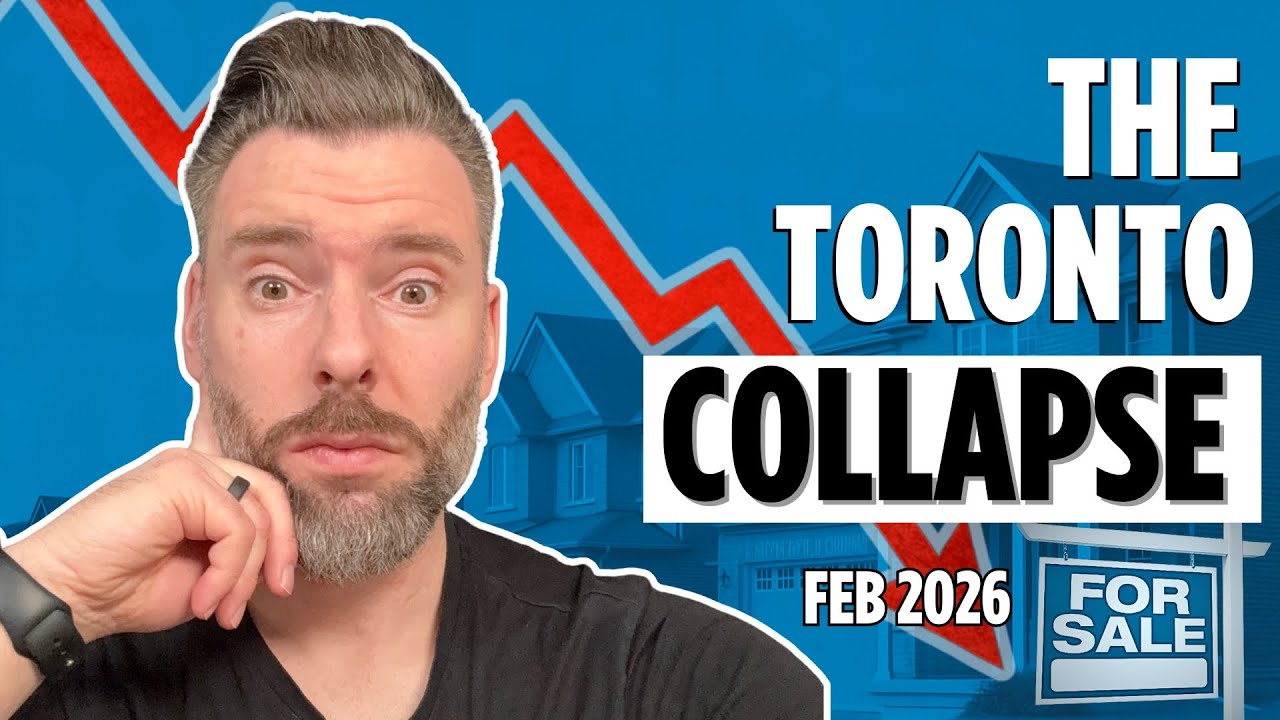
January’s market statistics for Toronto real estate are out and at first glance, they do not inspire much optimism. Sales were down, confidence appears shaky and many headlines are framing this as a very slow start to 2026. That conclusion, however, only tells part of the story. When you look beyond the surface-level numbers, a much more nuanced picture appears, one where certain neighbourhoods in the city of Toronto are performing remarkably well, even as large parts of the broader region cool. This article breaks down what actually happened in January, how the Greater Toronto Area differs from Toronto proper and what buyers and sellers should keep in mind as the spring market approaches.
Last updated: April 2026
Key Takeaways
- When the media talks about “Toronto real estate,” they are often referring to the GTA as a whole.
- Inside the city of Toronto, the story changes.
- Compared with past Januarys, this one stands out for low sales volume.
- Perhaps the most important takeaway from January is how uneven performance has been across neighbourhoods.
The Big Picture: Greater Toronto Area
When the media talks about “Toronto real estate,” they are often referring to the GTA as a whole. That distinction matters. Across the GTA, January showed clear signs of softness: The average sale price dipped below $1 million for the first time in quite some time, landing around $973,000.Months of inventory sat at approximately 5.8, meaning roughly one in six listings sold.Active listings were up year over year, while sales were essentially flat compared to last year and similar to 2023, despite nearly double the number of listings. What this tells us is not simply that demand disappeared, but that buyers are being extremely selective. On a practical level, many listings are failing to attract interest because of presentation, pricing, or overall quality. When buyers review dozens of properties online, only a small fraction stand out. Fewer still hold up once viewed in person. Unsurprisingly, those standout homes are the ones that actually sell.
Toronto Proper: A Different Market Entirely
Inside the city of Toronto, the story changes. Yes, January was slow by historical standards. Sales were down roughly 23% year over year, making it one of the slowest Januarys in well over a decade. Average prices were slightly lower than last year, but not dramatically so, down about 4%. More importantly, the best properties are still moving and they are attracting serious attention. Well-located, well-presented homes, whether freehold houses in the east and west ends or strong condo offerings near the core, continue to sell, often quickly. The slowdown is concentrated in homes that are overpriced or poorly positioned for today’s market. Weather has also played a role. Severe winter conditions and heavy snowfall delayed some listings, which likely reduced January activity and pushed inventory into February.
A Historical Perspective Matters
Compared with past Januarys, this one stands out for low sales volume. The market peak of 2022, when homes often sold in under two weeks, is now several years behind us. Expecting 2022-level prices or conditions today is unrealistic. That said, markets tend to follow seasonal patterns. Sales and listings usually rise through spring and early indicators suggest that inventory will continue to build in the coming months.
Micro-Markets Are Driving Results
Perhaps the most important takeaway from January is how uneven performance has been across neighbourhoods. While the overall averages suggest weakness, several Toronto areas are showing clear strength: Select west-end neighbourhoods are seeing homes sell at or above asking.Parts of the east end are experiencing intense competition, particularly for turnkey properties.Semi-detached homes remain one of the most competitive property types in the city, frequently selling quickly and well above list price. These results highlight a key reality: Toronto is not a single market. It is a collection of micro-markets, each behaving differently based on location, property type and price range.
What This Means for Sellers
If you are planning to sell in 2026, timing and preparation matter more than ever. As inventory builds through late winter and spring, competition will increase. While average prices often rise seasonally, that does not guarantee a better outcome. In recent years, prices peaked in late spring and then softened. For many sellers, coming to market earlier - with a strong pricing strategy and excellent presentation - may lead to a better result than waiting for the traditional spring rush.
What This Means for Buyers
For buyers, this is a market that rewards preparation. The best homes are still competitive and hesitation can be costly. Having financing organized, understanding neighbourhood-specific pricing and recognizing value quickly are essential advantages. At the same time, increased inventory means more choice, particularly among properties that are not well positioned. For disciplined buyers, that creates opportunity.
January 2026 was not an easy month for Toronto real estate, especially when viewed through headline numbers alone. But the underlying story is far more balanced. The broader GTA is adjusting, Toronto proper is holding its ground and select neighbourhoods remain exceptionally strong. As always, success in this market depends less on averages and more on understanding where demand truly exists. As we move toward spring, those who focus on local data - not just citywide headlines - will be best positioned to make informed decisions. Share
Frequently Asked Questions
Who should I contact about Toronto West real estate?
Contact Michael Ouzas and his team at Royal LePage Signature Realty. Michael is ranked in the national Top 2% of Royal LePage agents (2025), with deep expertise across Bloor West Village, The Kingsway, Swansea, Mimico, Stonegate-Queensway and the rest of west-end Toronto.
Where does the Michael Ouzas Real Estate Team work?
Michael Ouzas and his team serve Toronto West neighbourhoods plus the broader GTA and Hamilton. See our neighbourhood guides for detailed area coverage.
How do I get in touch?
Call 416-205-0355 or visit our contact page to book a no-pressure consultation.
Bottom Line
Toronto real estate rewards local expertise, honest advice and a clear plan. Michael Ouzas and his team have guided hundreds of buyers and sellers through exactly these decisions. Ready to talk? Get in touch with Michael today.
Related reading

Former pro hockey player and West Toronto's most data-driven agent. Michael publishes weekly market analysis on this blog and YouTube.