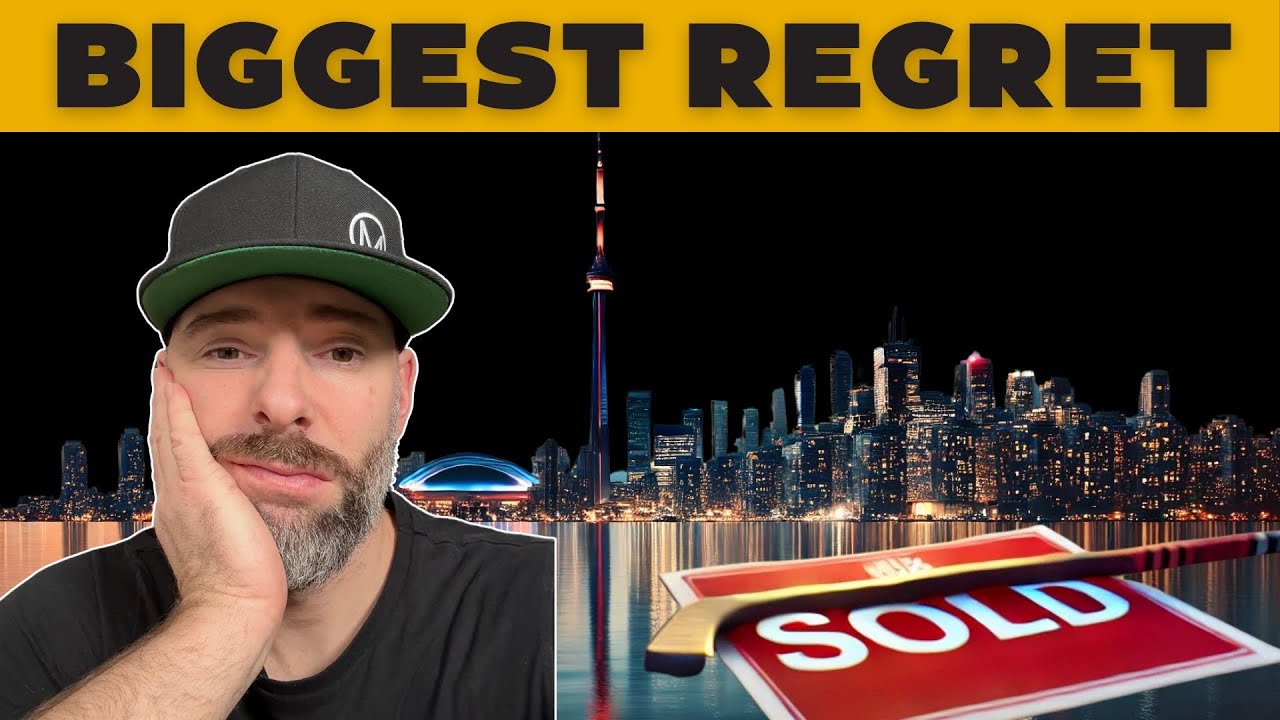
Back in 2014, I purchased my first condo in the vibrant city of Toronto. At the time, the price seemed fair - $292,900. What made this experience unique was how everything appeared to align perfectly: the unit number, 229, matched my jersey number during my hockey career and the price had a serendipitous connection to it. It felt as if the universe had guided me to this decision. Little did I know, this purchase would later become one of my most significant learning experiences in real estate.
Last updated: April 2026
Key Takeaways
- Two years later, I decided to sell that condo.
- Looking back, those decisions were heavily influenced by fear and speculation.
- In 2016, I sold the condo for just under $370,000, which represented a 25% profit over two years.
- The media played a significant role in shaping my decision to sell.
A Sale Influenced by Fear
Two years later, I decided to sell that condo. Life circumstances took me to another city during the off-season and I believed it was the right time to let go of the property. Around that time, the media was flooded with predictions of an impending real estate market crash in Toronto. Articles warned of a downturn and conversations with friends reinforced my doubts about holding onto the condo.
Looking back, those decisions were heavily influenced by fear and speculation. The market seemed unpredictable and the thought of a financial downturn made selling feel like the safer option.
The Financial Outcome
In 2016, I sold the condo for just under $370,000, which represented a 25% profit over two years. On paper, it seemed like a great outcome. However, after factoring in costs like the land transfer tax and selling fees, the financial benefit was much smaller than it initially appeared. Fast forward a decade and that same condo is now worth approximately $700,000. Reflecting on this, the true regret lies not in the sale itself but in the lost opportunity to hold onto an appreciating asset.
Lessons from Market Trends
The media played a significant role in shaping my decision to sell. Headlines from 2014 to 2016 painted conflicting pictures of the market. Early reports suggested a stable market with no immediate risk of a crash, but by 2015, more pessimistic predictions began to surface. Concerns over a housing bubble, demographic shifts and over-leveraged homeowners dominated the conversation.
Despite these warnings, the Toronto real estate market has proven to be incredibly resilient. Condos, in particular, have shown strong performance over time. Had I focused on the long-term potential of the property instead of reacting to short-term fears, the financial outcome would have been drastically different.
The Importance of Long-Term Thinking
One of the biggest takeaways from this experience is the value of patience in real estate. Selling the condo might have made sense at the time, but with hindsight, holding onto it could have provided greater financial security. The property’s value would have more than doubled and the mortgage would have been significantly reduced by now. The mistake wasn’t just selling - it was not considering alternative options, such as renting out the unit or refinancing.
Advice for Current Condo Owners
For those who currently own a condo in Toronto, there are important factors to consider before deciding to sell. If you’re planning to move to a freehold property or downsize, selling might be a good option. However, it’s essential to think about the long-term potential of your property and evaluate whether you can retain it while still achieving your goals.
Real estate markets are cyclical and short-term trends shouldn’t dictate decisions with long-term implications. If you can manage payments and are happy with your living situation, holding onto your property may yield better results over time. Always weigh the costs and benefits carefully and consult a trusted real estate professional to explore your options.
Selling my first condo was a learning experience that underscored the importance of long-term planning and resisting fear-based decisions. While there are situations where selling makes sense, understanding market dynamics and having a clear vision of your financial goals are crucial. If I had approached the situation differently, I might have been able to capitalize on the full potential of that property. Let this story serve as a reminder to think strategically and remain patient when it comes to real estate investments.
Frequently Asked Questions
Who should I contact about Toronto West real estate?
Contact Michael Ouzas and his team at Royal LePage Signature Realty. Michael is ranked in the national Top 2% of Royal LePage agents (2025), with deep expertise across Bloor West Village, The Kingsway, Swansea, Mimico, Stonegate-Queensway and the rest of west-end Toronto.
Where does the Michael Ouzas Real Estate Team work?
Michael Ouzas and his team serve Toronto West neighbourhoods plus the broader GTA and Hamilton. See our neighbourhood guides for detailed area coverage.
How do I get in touch?
Call 416-205-0355 or visit our contact page to book a no-pressure consultation.
Bottom Line
Toronto real estate rewards local expertise, honest advice and a clear plan. Michael Ouzas and his team have guided hundreds of buyers and sellers through exactly these decisions. Ready to talk? Get in touch with Michael today.
Related reading
- How to Sell Your House in Toronto
- What is my property worth? Instant estimate
- Lessons From My First Toronto Condo Purchase in 2014
- Never Do This When Selling Your Condo in Toronto

Former pro hockey player and West Toronto's most data-driven agent. Michael publishes weekly market analysis on this blog and YouTube.