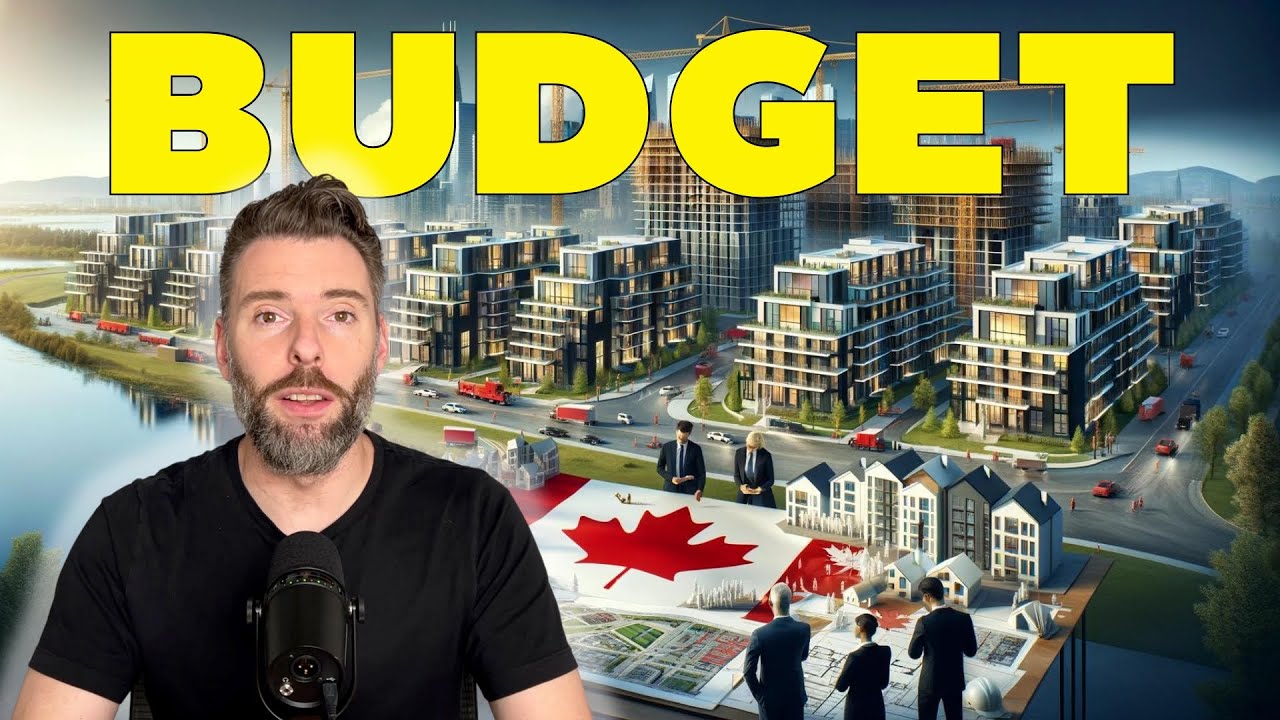
Canada’s 2024 federal budget sets out significant plans for housing across the country. Here are the key housing initiatives in this year’s budget and what they mean for potential homebuyers and the real estate market.
Building Homes at an Unprecedented Rate
The most striking commitment in the 2024 budget is 3.9 million new homes by 2031. That translates to roughly one home per minute, an aggressive build rate, but one aimed at meeting the growing demand for housing in Canada.
Enhancements to Mortgage Policies
To make homeownership more attainable, particularly for first-time buyers, the government proposes extending mortgage amortization periods to 30 years for new builds. Longer amortization lowers monthly payments, making it easier for new entrants to afford a home. The benefit applies mainly to buyers of newly constructed homes, consistent with the government’s push to increase supply.
Utilizing Public Lands
The budget also proposes using public lands for home construction. Properties owned by Canada Post and National Defence are among those earmarked for development. This puts government-owned land to work and opens up residential construction in areas that previously may not have been considered.
Addressing Homelessness
The government is allocating $250 million over two years to combat homelessness, with a focus on resolving encampments and expanding shelter capacity. The approach is not just about increasing supply, it also aims to ensure the most vulnerable populations have access to safe and adequate shelter.
Tax Adjustments and Incentives
The budget proposes increasing the capital cost allowance for apartment buildings from 4% to 10%, allowing builders to claim larger tax write-offs. The goal is to stimulate residential construction in the apartment sector, which can offer more affordable options than single-family homes.
The capital gains inclusion rate is also changing. For individuals, it rises from 50% to 66% on capital gains exceeding $250,000. For corporations and trusts, the increase applies to all capital gains. The adjustment is expected to generate additional revenue, part of which could be reinvested into housing initiatives.
Potential Challenges and Critiques
The scale of construction needed to hit 3.9 million homes is daunting. And the effectiveness of extending amortization periods in markets like Toronto and Vancouver, where average home prices often exceed what such policies can offset, remains to be seen.
What It Means for You
The 2024 federal budget is a comprehensive attempt to address housing, from accelerating construction to modifying financial policies for homebuyers. As these plans unfold, they will shape Canada’s real estate landscape. Potential homebuyers and investors should stay informed and consider how the changes affect their decisions, and consult professionals such as real estate experts and accountants for advice tailored to their circumstances.
Related reading
- Toronto Real Estate Market Update
- What Canada’s Federal Parties Are Promising on Housing Ahead of the 2025 Election
- Build Canada Homes: The $13 Billion Federal Housing Plan

Former pro hockey player and West Toronto's most data-driven agent. Michael publishes weekly market analysis on this blog and YouTube.